
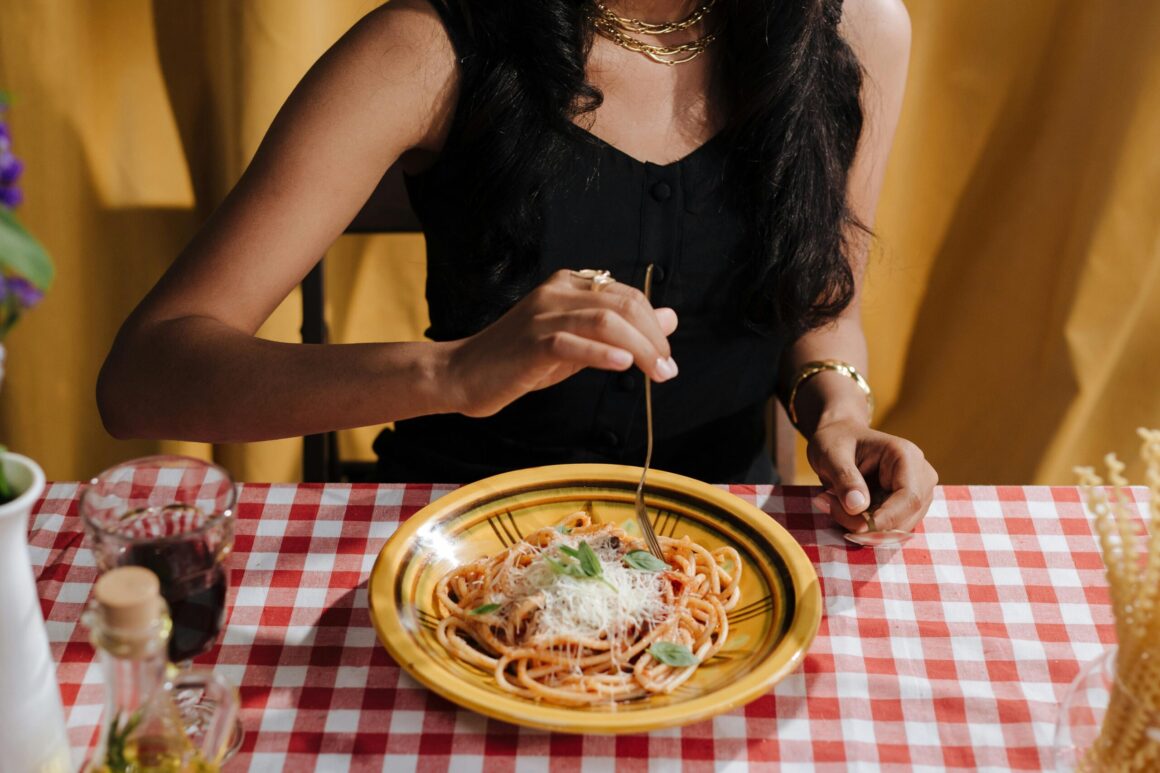
Do you eat to live or live to eat?
It’s interesting how food has become such a big ordeal in the sense of how, when, and what foods to eat. If we peel back the layers of it, food should nourish not just your body, but your mind and soul too. Yet for many of us, eating can feel like a battleground—filled with rules, regrets, and negative self-talk.
If you’ve ever eaten something on your “foods to avoid” list and immediately felt ashamed or tried to compensate with restriction, you’re not alone. Food guilt is a common experience, especially in a culture that moralizes what we eat.
But here’s the truth: You don’t have to earn your food. You don’t have to punish yourself for being human.
You can rebuild your relationship with food—and it starts with learning how to let go of food guilt and trust yourself again.
What is Food Guilt?
Food guilt is the belief we carry after eating something we label as “bad” or “unhealthy.” It’s that nagging voice that says you should’ve eaten less, chosen better, or skipped the dessert entirely. This guilt can stem from years of dieting, cultural conditioning, body image struggles, or internalized beliefs that equate self-worth with discipline and “clean” eating.
The problem is, guilt doesn’t lead to better health. It leads to stress, binge-restrict cycles, and a disconnect from your body’s true needs.
Why It’s Time to Release Food Guilt
Letting go of food guilt isn’t about throwing nutrition out the window—it’s about freeing yourself from the shame that keeps you stuck in a cycle of restriction, overthinking, and emotional eating. Here’s why releasing guilt is essential:
- Guilt disconnects you from your body. When you’re distracted by thoughts of good/bad you stop listening to your hunger and fullness cues.
- Improve your relationship with food. Food guilt leads to negative traits like shame, embarrassment, or disappointment and takes away from finding enjoyment or nourishment from food.
- It robs you of joy and presence. Instead of enjoying your meals, you’re mentally tallying “mistakes.”
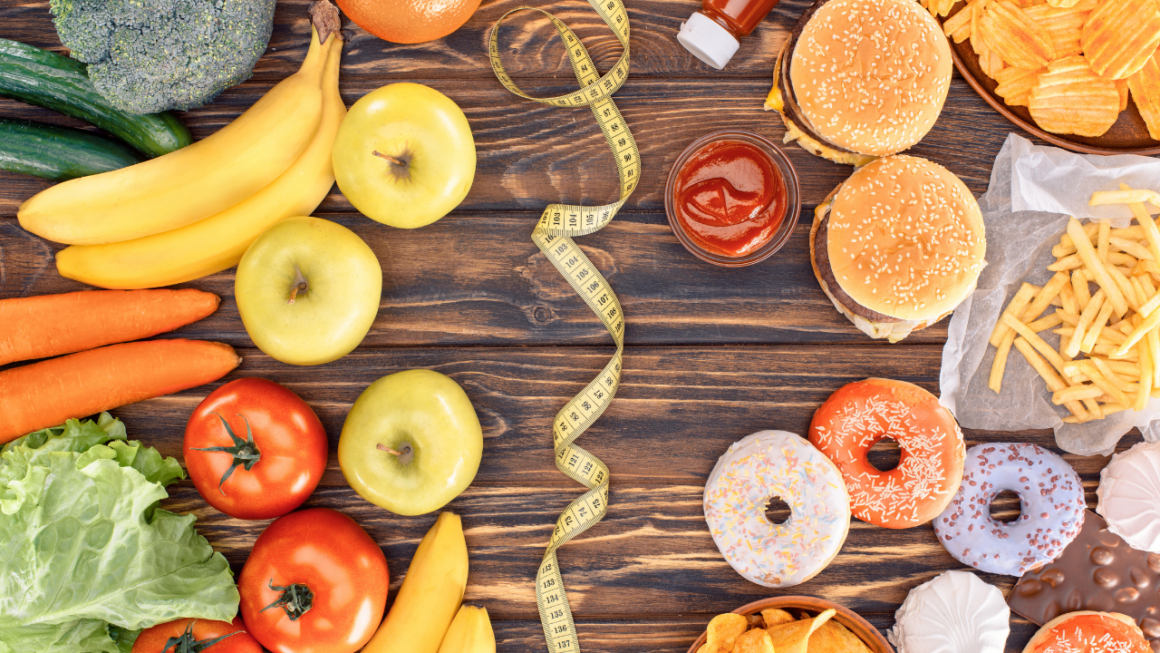
7 Ways to Let Go of Food Guilt and Build Self-Trust
1. Identify Where the Guilt Comes From
Start by getting curious:
- Who told you this food was “bad”?
- What beliefs are you carrying about what you should be eating?
- Why do you believe these are the foods you should be eating? Does your body have an allergic reaction to it? Does it make you feel sick?
Write these thoughts down. Understanding the root of your food guilt is the first step in releasing it.
2. Stop Labeling Foods as Good or Bad
Food has no moral value. A cookie doesn’t make you a bad person, and a salad doesn’t make you a good one. Try replacing judgment with neutrality:
- Instead of: “I was bad for eating that pizza.”
- Try: “That pizza was satisfying and I was hungry.”
This has been a game changer for me! Especially since being on a candida diet, I would villify breads or sweets as horrible foods, when food is food, it’s the labels we put on them which has power.
Neutral language reduces shame and brings you back to the present moment.
3. Practice Mindful Eating
Mindful eating helps you slow down, engage your senses and can lead to a better relationship with food. You’ll notice a stark difference when you slow down, taste your food, and breathe. While eating, try to ask yourself:
- What does this food smell like? Look like? Feel like in my mouth?
- What emotions or thoughts are coming up while I eat? Am I judging myself?
- Am I chewing slowly and fully, or rushing through the meal?
Mindful eating helps you make intentional and aligned choices—not from guilt, but from grounded self-awareness.

4. Validate Your Cravings Without Judgment
Cravings are not the enemy. They are your body’s way of communicating a need—sometimes physical, sometimes emotional. You may get cravings for foods you are abstaining from, but instead of denying or suppressing them, acknowledge the craving and respond with compassion.
For example, while on the candida diet, especially in the beginning, you might crave sweets and starchy foods. Cravings aren’t a window necessarily to “eat what you want” rather it is an opportunity to acknowledge your craving (without labeling it as good/bad) and instead respond by giving your body what it needs.
5. Challenge the All-or-Nothing Mentality
One meal doesn’t define your health journey. Just because you ate something sugary or high in calories, it doesn’t mean the day is ruined. I think it’s important to give yourself grace for what you’ve eaten, realize that it doesn’t reset your progress, and remember that healing is not linear.
Progress is built on consistency, not perfection.
Ask yourself: How can I meet myself with grace right now?
6. Use Self-Compassion Statements
When food guilt creeps in, pause and talk to yourself the way you would a friend:
- “I’m doing the best I can.”
- “My body deserves nourishment, not punishment.”
- “I can trust myself to make choices that support my well-being.”
Self-compassion builds the trust that guilt breaks down.
7. Rebuild Trust by Honoring Hunger and Fullness
Diet culture teaches us many things, but ultimately, we unknowingly learn how to ignore our bodies. Rebuilding self-trust means reconnecting with hunger and fullness cues. This might feel messy at first—and that’s okay.
Try journaling how you feel before, during, and after meals. Over time, you’ll notice patterns and begin to trust your body’s signals again. Not only is it great to journal your meals to keep track of what you’re eating, but it’ll also help you uncover if you’re eating out of boredom, habit, or otherwise so that you can be more intentional with what and how you eat.
Final Thoughts
Healing your relationship with food is a journey, not a destination. Letting go of food guilt doesn’t mean ignoring nutrition—it means approaching food from a place of respect, curiosity, and kindness. The more you practice self-trust, the more peace you’ll find in your plate and in your body.
You deserve to eat without guilt and more importantly, you can develop the tools to both eat in alignment and nourish your body on your healing journey.





One Comment
The statement “food has no moral value” truly resonates with me because it is so natural to shame myself for eating something “bad”. I definitely want to practice more mindful eating, noticing what and how I eat without judgement.